| Roles | Competed in Olympic Games |
|---|---|
| Sex | Female |
| Full name | Suzanne Laure•Daneau |
| Used name | Suzanne•Daneau |
| Born | 17 August 1901 in Tournai, Hainaut (BEL) |
| Died | 30 November 1971 (aged 70 years 3 months 13 days) in Tournai, Hainaut (BEL) |
| NOC |  Belgium Belgium |
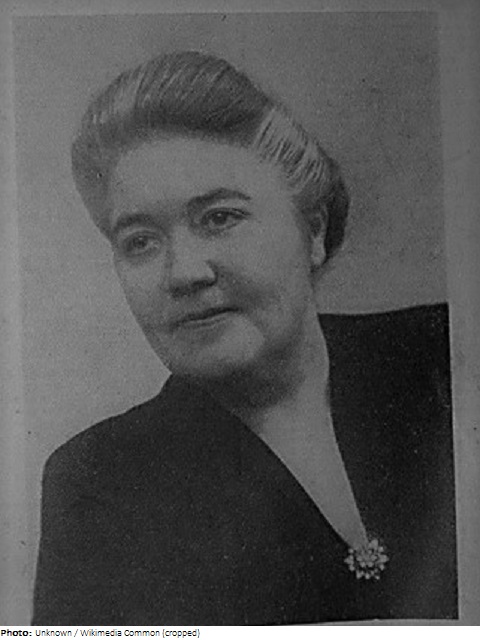
Suzanne Daneau received her first musical training from her father, Nicolas Daneau, and then studied at the Tournai Music Academy and then the Mons Conservatory. She later studied in Brussels with Arthur De Greef (piano) and Paul Gilson (composition). She débuted in 1919 at Tournai, performing Debussy’s sonate pour violoncello et piano. In 1923 she founded the Trio DGL with the violionist Georges Gommaerts and the cellist Édouard Livain. In 1933, Daneau collaborated with Paul Brohée and Edmond Delescluze to create the journal La Gazette musicale de Belgique, which she edited for four years. She spent her later years teaching in Brussels and Tournai. Her compositions never really achieved public success and later fell into oblivion.
Her composition for the 1924 Paris Olympics is listed in the official report as, Jeux Funéraires (Funeral Games) with the subtitle Six instantanés sportifs (Six sports snapshots), under which name it has become better known. It is a work for a singer accompanied by a piano, comprising the parts The pole, The rings, The long jump, Water polo, The javelin and The discus. The text was written by Paul Brohée, who regularly composed text for her compositions.
| Games | Discipline (Sport) / Event | NOC / Team | Pos | Medal | As | |
|---|---|---|---|---|---|---|
| 1924 Summer Olympics | Music | BEL |
Suzanne Daneau | |||
| Music, Open (Olympic) |