| Roles | Competed in Olympic Games |
|---|---|
| Sex | Male |
| Full name | William Louis "Bill"•Barry |
| Used name | Bill•Barry |
| Born | 16 October 1940 |
| Measurements | 188 cm / 85 kg |
| NOC |  Great Britain Great Britain |
| Medals | OG |
| Gold | 0 |
| Silver | 1 |
| Bronze | 0 |
| Total | 1 |
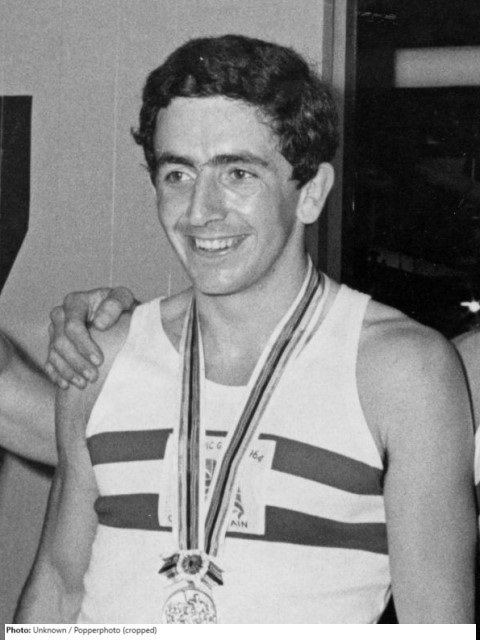
Bill Barry came from a famous family of scullers and Thames watermen. His great uncle Ernie was regarded as the greatest sculler in the world in the early part of the 20th century and was a multiple world champion. Ernie also won the 1903 Doggetts Coat and Badge, while Bill´s father and grandfather also won the event, as did his uncle Henry. Bill Barry never won the Doggett´s, but was one of a small band of men to win the coveted Wingfield Sculls four years in a row, which he did between 1963-66. He was also runner-up in the Diamond Sculls at Henley in 1962 and 1963.
Despite the long list of notable scullers within the family, Bill, who started rowing at the age of 19, was the only one to become an Olympian. After winning the single sculls gold medal at the 1962 British Empire and Commonwealth Games in Australia, Barry went to the 1964 Tokyo Olympics with the British coxless fours crew, and they came away with the silver medal.
Bill returned to Tokyo for the 2021 Games, but this time as coach to Saudi Arabian sculler Husein Ali Reza. Both men created a bit of Olympic history as Ali Reza became Saudi´s first and only Olympic rower (through Paris 2024), and Barry uniquely went to two different Games in the same city as both a competitor and a coach, 57 years apart. Barry also coached Alan Campbell to three World Championship medals (2009-11) and a bronze medal at the 2012 London Olympics.
| Games | Discipline (Sport) / Event | NOC / Team | Pos | Medal | As | |
|---|---|---|---|---|---|---|
| 1964 Summer Olympics | Rowing | GBR |
Bill Barry | |||
| Coxless Fours, Men (Olympic) | Great Britain | 2 | Silver |